A Station Built Around Its Students
Ekoda Station is nearly a century old, and it shows in the best way: it feels like a real neighborhood hub rather than a transit point. Eight schools, from elementary schools through universities, sit within the immediate area, and the station itself was designed with input from the local colleges — flyers for campus events are a fixture on the station's message boards, and the streets nearby run on a rhythm set by class schedules rather than commuter traffic. Three of those schools are universities: Musashi University, Nihon University College of Art, and Musashino Academia Musicae, Japan's oldest private music college.
That last detail is not trivia. Nihon University's College of Art has produced a genuinely notable list of graduates, including novelist Banana Yoshimoto and photographer Kishin Shinoyama, and its film and arts programs give the neighborhood a quiet creative undercurrent that's easy to miss if you only pass through on your commute. If you happen to be staying in Ekoda in the fall, the campus festival season is worth checking — it's a real, functioning showcase of current students' work, not a tourist event dressed up as one.
The Neighborhood Onscreen: Nodame Cantabile and Shall We Dance?
Ekoda has a small but real footprint in Japanese film and television. Musashino Academia Musicae is the setting for the classical-music anime and drama "Nodame Cantabile," and fans have been known to look for a poster of the character Nodame at the piano inside Ekoda Station itself. The neighborhood also appears in "Shall We Dance?" — the Japanese Academy Award-winning film about a salaryman who takes up ballroom dancing — where a station-platform scene has the lead character staring at a dance studio building nearby. Neither of these is a tourist attraction in the conventional sense; they're just part of the texture of a neighborhood that happens to have quietly hosted a few notable productions over the years.
Twenty Bakeries and Counting
If Ekoda has a defining smell, it's fresh bread. The area is home to roughly twenty local bakeries within easy walking distance of the station, dense enough that it's genuinely possible to follow the smell out of the station exit and end up somewhere good. Two are worth knowing by name. Parlour Ekoda is the area's most popular bakery, known for a toast breakfast set — whole wheat bread, soft toast, salad, and coffee — served with real care; it gets busy on weekends, so a weekday morning visit is the easier way in. Home Bakery MOTHER GOOSE has been run by the same family for three generations and roughly a century, turning out everything from longtime favorites to allergen-free options, and has a long-standing relationship supplying bread to a local nursery school. Neither requires a reservation or special planning — they're the kind of places you fold into a normal morning once you know they're there.
A Century-Old Bathhouse With a Raccoon Out Front
Sengen-yu, founded in 1927, is a neighborhood sento — a public bathhouse — identifiable by a statue of a raccoon at its entrance, a gift from a professor who once lived locally before moving abroad. Inside, the interior includes a mosaic mural created by a professor at Nihon University College of Art, a small but real piece of the neighborhood's artistic footprint applied to an everyday space rather than a gallery. Sento culture in Japan has been quietly declining for decades, which makes a bathhouse that's stayed open and community-oriented for close to a century worth a visit on its own terms, whether or not a night in isn't otherwise part of your routine.
Sengen Shrine and Tokyo's Largest Fujizuka
A short walk from the station's north exit, Sengen Shrine is dedicated to Mount Fuji and home to Tokyo's largest Fujizuka — an artificial mound built in the late Edo period so that visitors could receive the same spiritual blessing as if they'd climbed the real mountain. It's recognized as one of Japan's Important Tangible Folk Cultural Properties, standing roughly eight meters tall, and it's opened to climbers only on specific days in January, July, and September. Even outside those dates, the shrine grounds are worth a visit — students from the nearby universities regularly leave ema, small wooden prayer plaques, asking for help getting into their college of choice, a small, specific window into the neighborhood's identity as a college town.
The Original Matsuya, Before It Was a Chain
Matsuya is one of Japan's largest beef bowl chains, with over a thousand locations nationwide — and the very first one is in Ekoda. From the outside, it looks like any other branch, but a plaque inside marks its history, alongside a short timeline and a photo of the original restaurant from over fifty years ago. It has served the same neighborhood of students and office workers the entire time, adapting its menu over the decades while staying recognizably itself. For anyone curious about where a now-nationwide chain actually started, it's a five-minute stop that costs the same as a beef bowl anywhere else.
Egotanomori Park and Slower Mornings
For a quieter break from the station area, Egotanomori Park is a small local green space popular for walking and light jogging rather than sightseeing — the kind of spot locals use on an ordinary morning rather than a destination visitors plan a trip around. Combined with the neighborhood's overall pace, it's a useful reminder that Ekoda isn't built for a packed itinerary; it's built for the version of Tokyo life that happens between the bigger plans; a slow breakfast, a walk to a shrine, a bath at the end of the day.
Fitting the Neighborhood Into a Longer Stay
None of this requires a special day trip, which is exactly the point. A monthly stay near Ekoda means these places become part of an ordinary week rather than a checklist: bread from Parlour Ekoda some mornings, a walk past Sengen Shrine on the way back from the station, an evening at Sengen-yu when a night out isn't the plan. The neighborhood rewards exactly the kind of slower, repeat familiarity that a short hotel stay doesn't allow for, which is a meaningful part of what a monthly rental here actually buys beyond the practical lease terms.
Frequently Asked Questions
Is Ekoda a good base if I want to explore central Tokyo regularly? Yes — it's six minutes from Ikebukuro, one of Tokyo's largest transit hubs, with easy onward access to the rest of the city from there.
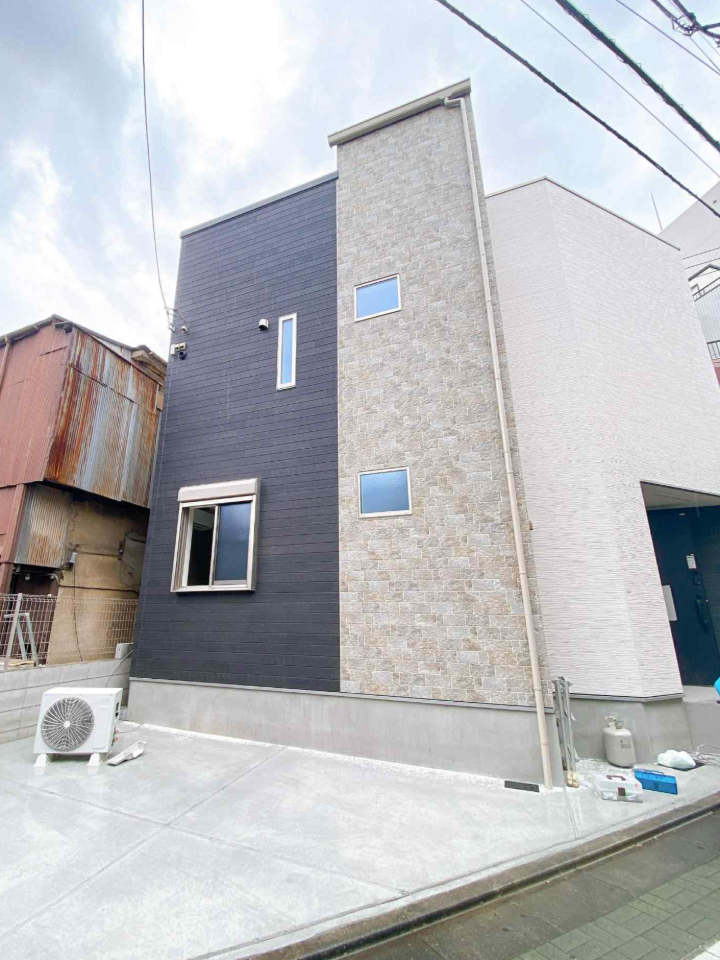
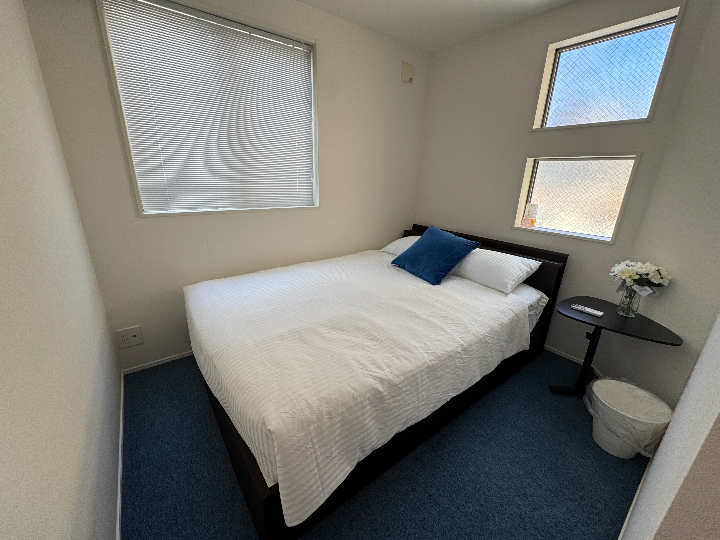
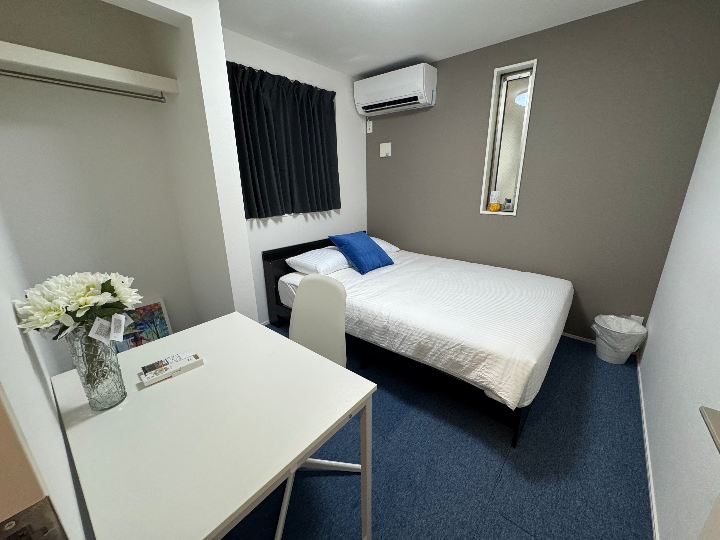
Are the bakeries and the sento within walking distance of Tokyo Travel's houses? Yes, Tokyo Travel's Ekoda and Sakaecho properties sit within the same walkable area covered in this guide, generally a few minutes on foot from the station.
Do I need to speak Japanese to visit a sento like Sengen-yu? No, though basic bathhouse etiquette — washing before entering the shared bath, no swimwear — is expected of everyone regardless of language.
When is the Fujizuka at Sengen Shrine open to climb? It's open on select days in January, July, and September only. The shrine grounds themselves are accessible year-round.
Get to Know the Neighborhood, Not Just the Apartment
A monthly house near Ekoda comes with more than a lease — it comes with a genuinely walkable, low-key neighborhood worth exploring on its own terms. Browse Tokyo Travel's houses near Ekoda and Sakaecho Station to find a base close to all of it.
Sources: