Encontrar un lugar para vivir en Japón puede ser emocionante, ya sea que te mudes por trabajo, estudio o una estancia prolongada. Sin embargo, muchos recién llegados se sorprenden por la cantidad de dinero requerido antes de que puedan recibir las llaves. Estos costos iniciales son comúnmente conocidos como tarifas de mudanza, y comprenderlos puede ayudarte a planificar tu presupuesto y evitar gastos inesperados.
Las tasas de mudanza son los diversos costos que los inquilinos deben pagar al firmar un contrato de alquiler en Japón. A diferencia de algunos países donde solo se necesita pagar un depósito de seguridad y el primer mes de alquiler, los contratos de alquiler japoneses a menudo incluyen varios cargos adicionales.
Dependiendo de la propiedad, las tasas de mudanza pueden variar desde tres a seis meses de alquiler, y a veces incluso más.
Veamos las tasas más comunes.
Qué es:
Un depósito reembolsable que retiene el propietario para cubrir alquileres no pagados o daños más allá del desgaste normal.
Cantidad típica:
1–2 meses de alquiler
Si no hay problemas importantes al mudarte, es posible que se devuelva parte del depósito. Sin embargo, las tarifas de limpieza y los costos de reparación a menudo se deducen antes de que se emita cualquier reembolso.
Qué es:
Un pago no reembolsable hecho al propietario como un gesto de agradecimiento.
Cantidad típica:
0–2 meses de alquiler
El dinero de llave es uno de los aspectos más únicos de alquilar en Japón. Aunque algunas propiedades más nuevas ya no lo requieren, muchos apartamentos todavía lo hacen.
Dado que no es reembolsable, es importante incluir este costo en tu presupuesto.
Qué es:
Una tarifa pagada a la agencia inmobiliaria que ayudó a organizar el contrato de alquiler.
Cantidad típica:
Hasta 1 mes de alquiler más impuesto
Esta tarifa compensa al agente por sus servicios en encontrar y procesar tu alquiler.
Qué es:
Pago del primer mes de ocupación.
Cantidad típica:
1 mes de alquiler
Dependiendo de la fecha de tu mudanza, es posible que solo pagues una cantidad prorrateada por los días restantes del mes.
Qué es:
Muchos propietarios requieren un aval que se comprometa a cubrir el alquiler si el inquilino no puede pagar. Dado que muchos residentes extranjeros no tienen un aval adecuado en Japón, a menudo se utiliza una empresa de aval en su lugar.
Cantidad típica:
30%–100% de un mes de alquiler
Algunas empresas de aval también cobran tarifas de renovación anual.
Qué es:
Seguro que cubre ciertos daños, accidentes y responsabilidades durante tu arrendamiento.
Cantidad típica:
¥15,000–¥25,000 por un contrato de dos años
La mayoría de los propietarios requieren que los inquilinos compren este seguro antes de mudarse.
Qué es:
Un cargo por reemplazar o cambiar la cerradura del apartamento antes de que se mude el nuevo inquilino.
Cantidad típica:
¥10,000–¥30,000
Esta tarifa ayuda a garantizar la seguridad y tranquilidad de los nuevos residentes.
Qué es:
Algunas propiedades cobran tarifas de limpieza o mantenimiento ya sea al mudarse o al desocupar.
Cantidad típica:
¥10,000–¥50,000 o más
Siempre revisa tu contrato cuidadosamente para entender cuándo se aplican estas tarifas.
Imagina un apartamento con un alquiler mensual de ¥80,000.
| Artículo | Costo Aproximado |
| Alquiler del Primer Mes | ¥80,000 |
| Depósito de Seguridad | ¥80,000 |
| Dinero Clave | ¥80,000 |
| Tarifa de Agencia | ¥88,000 |
| Tarifa de Fiador | ¥40,000 |
| Seguro Contra Incendios | ¥20,000 |
| Tarifa de Cambio de Cerradura | ¥20,000 |
| Total | ¥408,000 |
Sí. Muchas propiedades hoy en día anuncian:
Sin dinero clave
Sin depósito
Tarifas de agencia reducidas
Descuentos en campañas
Apartamentos amueblados
Alojamientos de alquiler mensual
Estas opciones pueden reducir significativamente la carga financiera de mudarse.
Para residentes internacionales, los apartamentos con servicios, casas compartidas y propiedades de alquiler mensual son a menudo alternativas atractivas porque requieren menos pagos iniciales y procedimientos de solicitud más simples.
Antes de comprometerse con una propiedad de alquiler, asegúrese de:
Pedir un desglose completo de todos los costos de mudanza.
Confirmar qué tarifas son reembolsables.
Comprobar si se aplican tarifas anuales de renovación.
Revisar los cargos por limpieza y restauración.
Entender la duración del contrato y las políticas de cancelación.
Una comprensión clara de estos detalles puede prevenir sorpresas más adelante.
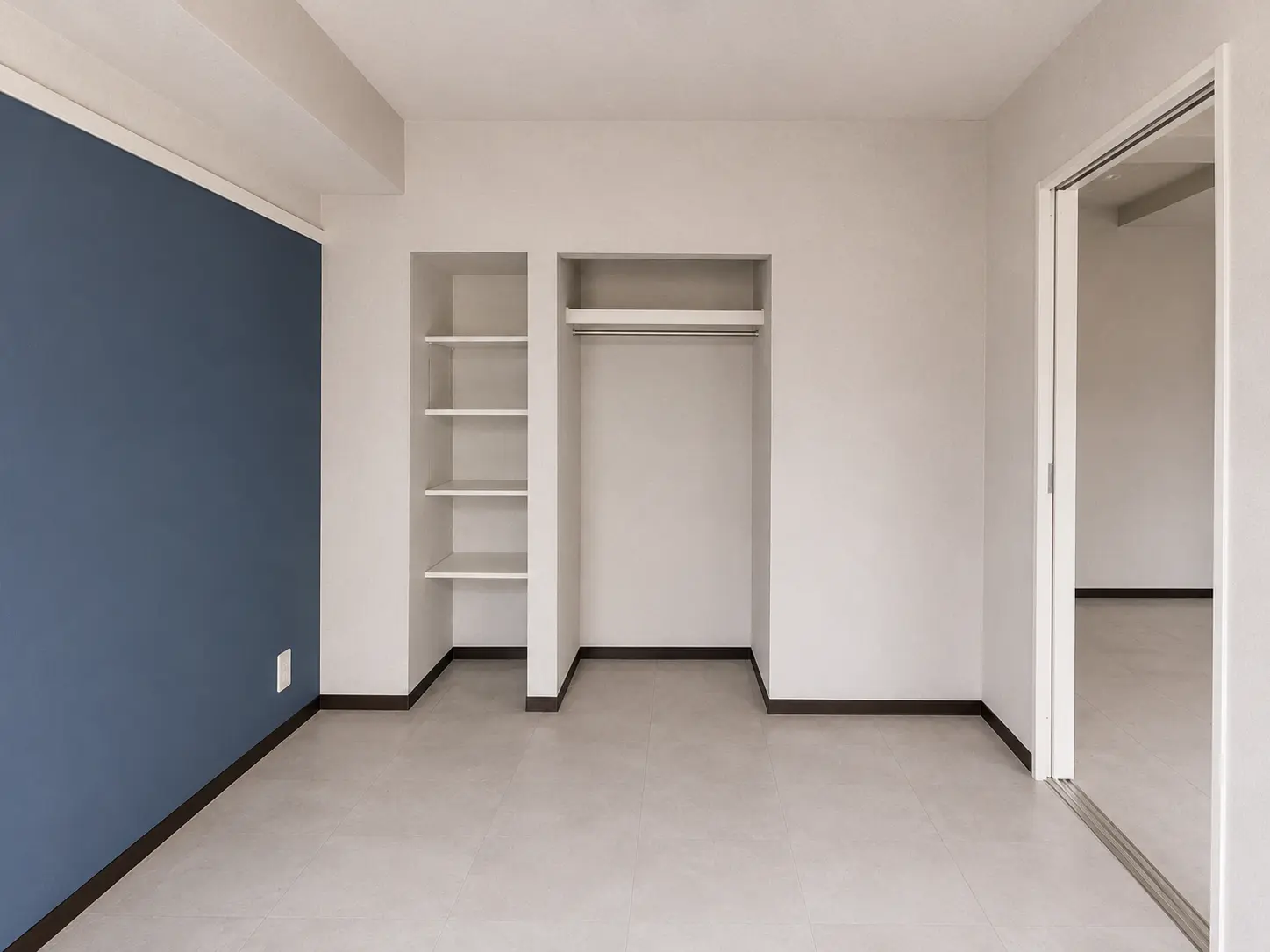
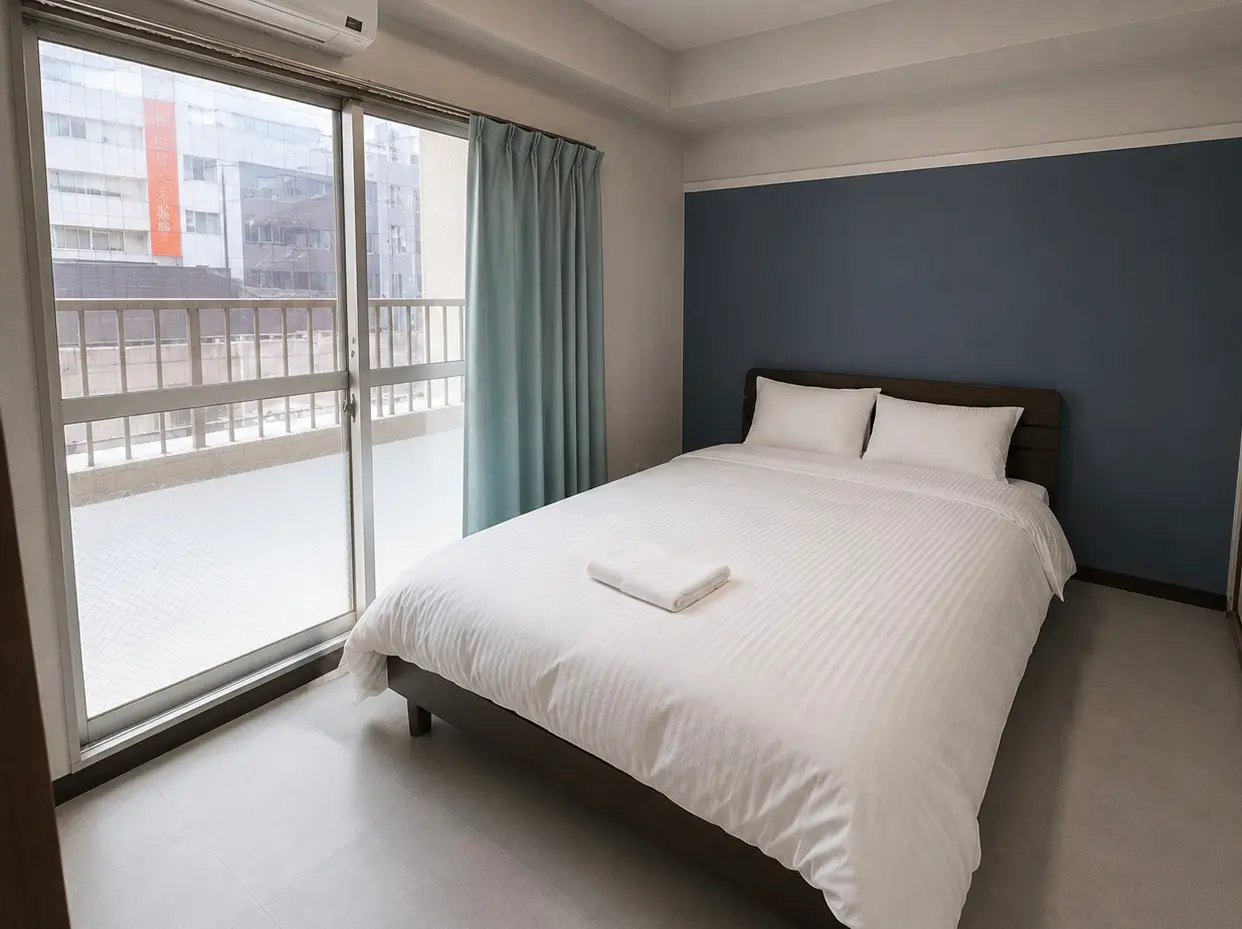
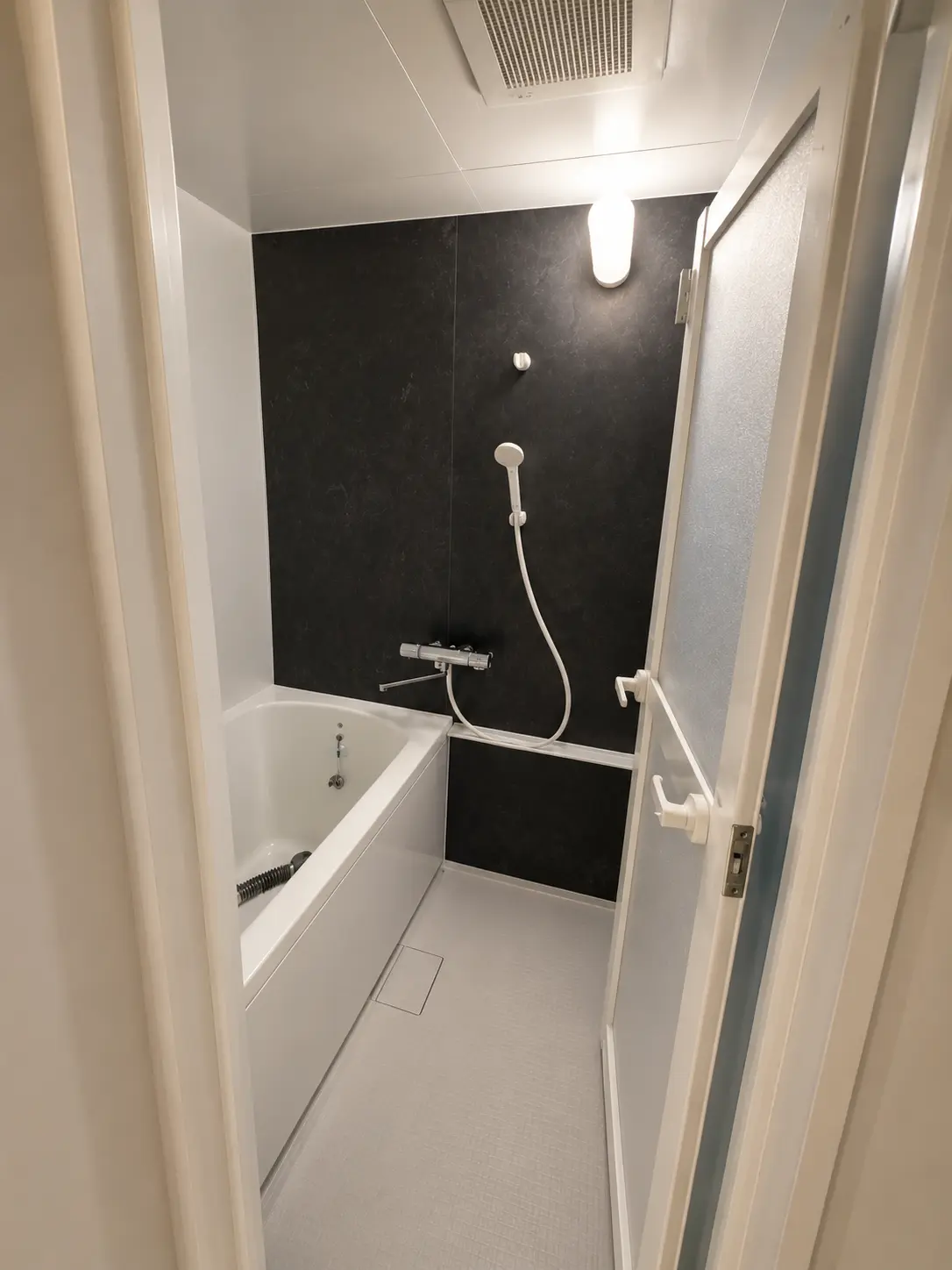
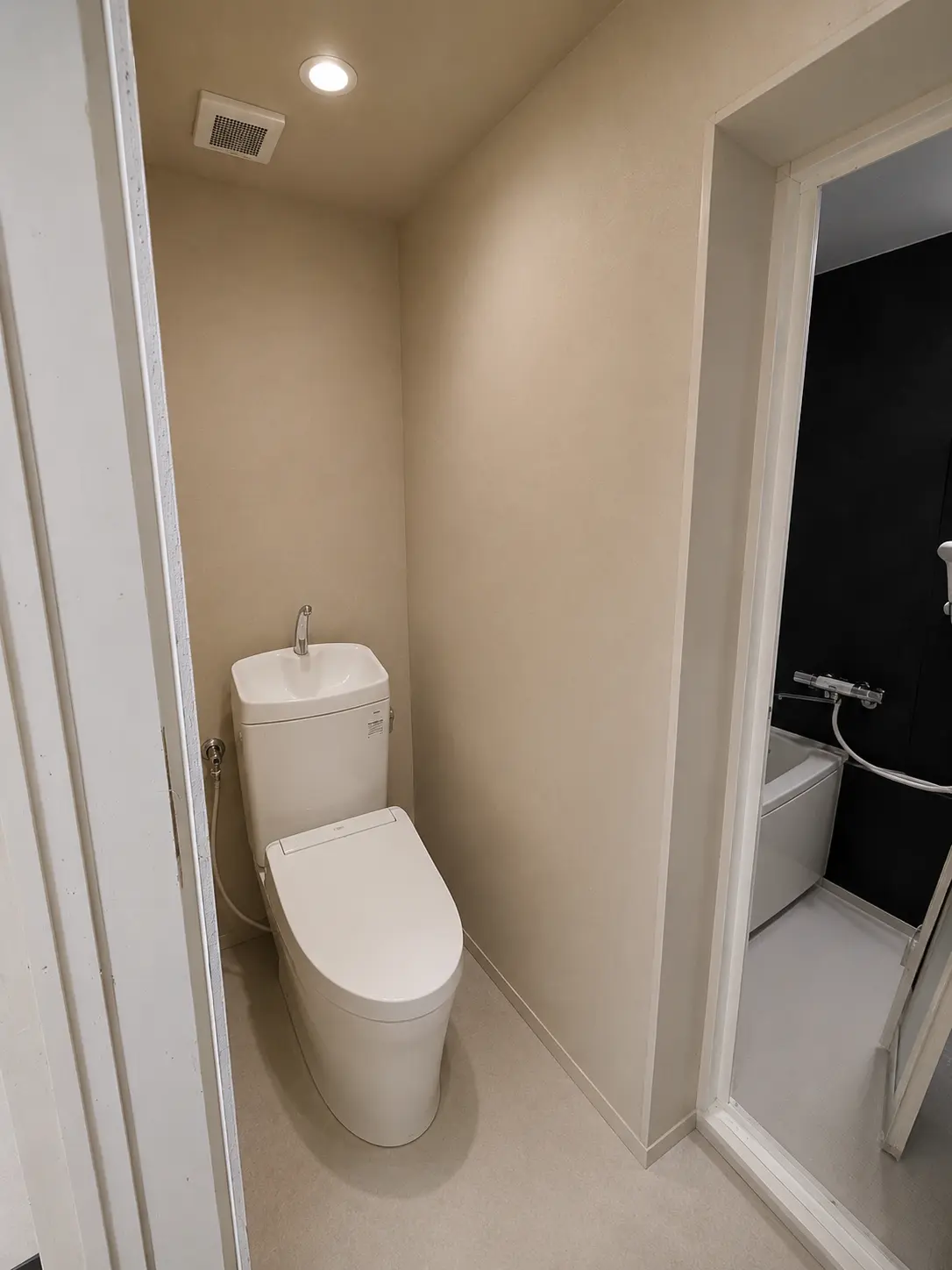
Nana House ofrece alojamientos amueblados para alquiler mensual diseñados para facilitar la mudanza a Tokio, especialmente para residentes internacionales.
Los beneficios incluyen:
✔ Sin Dinero de Llave
✔ Sin Necesidad de Fiador
✔ Sin Honorarios de Agente
✔ Habitaciones amuebladas listas para mudarse
✔ Estancias mensuales flexibles
✔ Apoyo amigable para extranjeros
En lugar de pagar varios meses de alquiler por adelantado, los residentes pueden disfrutar de un proceso de mudanza más sencillo y evitar muchos de los costos tradicionales asociados con los contratos de alquiler japoneses estándar.
Ya sea que estés en Tokio por trabajo, estudio, búsqueda de empleo o una estancia temporal, Nana House proporciona una opción de vivienda conveniente sin la complejidad de los acuerdos de arrendamiento tradicionales.