Working remotely from Tokyo? Find out what to look for in a monthly furnished apartment — WiFi, workspace, neighborhood vibe — and why West Tokyo is ideal for digital nomads.
Tokyo has been on the digital nomad radar for years, and for good reason. The infrastructure is world-class. The food is extraordinary. The city is safe, efficient, and endlessly interesting in a way that doesn't wear off after three weeks. Japan's rail network alone is worth experiencing — the Shinkansen from Tokyo to Kyoto in two hours feels like the future, every time.
What's changed recently: Japan's visa options for remote workers have expanded, and the ecosystem of monthly furnished rentals that actually cater to working professionals has grown alongside it. The old barrier — finding accommodation without a Japanese guarantor, signed in advance, at reasonable cost — is increasingly solvable.
This guide covers what digital nomads need to know about working from Tokyo, and specifically what to look for in a monthly furnished apartment that supports productive remote work.
Japan's internet infrastructure is excellent. Fiber-optic broadband is widespread, even in residential neighborhoods. Mobile data speeds are reliable. Most furnished monthly rentals — including all Nana House properties — include high-speed WiFi as standard. For most remote work setups, the home WiFi alone is sufficient without needing to supplement with a SIM card or pocket WiFi.
That said, if your work involves large file uploads, live broadcasting, or other bandwidth-intensive tasks, confirm upload speeds specifically when booking. Download speed alone doesn't tell the full story.
Tokyo has a strong cafe culture and a growing number of co-working spaces. For remote workers who prefer variety or need a change of environment, the options are good:
Neighborhood cafes: Most residential neighborhoods have independent cafes with WiFi and a working-friendly environment. Ekoda and Nerima both have good options within walking distance.
Co-working spaces: Ikebukuro (10 minutes from Ekoda by train) has multiple co-working options ranging from ¥300/hour drop-in spaces to monthly memberships.
Manga cafes (net cafes): An unexpected but genuinely useful option — 24-hour private booths with fast internet, printing, drinks included, from around ¥500/hour. Useful for focused work sessions or very late nights.
Tokyo Standard Time (JST, UTC+9) works particularly well for remote workers serving Australian, East Asian, or Southeast Asian clients — you're in the same general business day window. For those working with European clients, mornings in Tokyo align with European afternoon/evening. For US clients, expect significant timezone overlap challenges — Tokyo's afternoon is the US East Coast's overnight.
Many remote workers in Tokyo adopt a split schedule: focused deep work in the morning Tokyo time, client calls and real-time collaboration in the late afternoon/evening when US time zones are awake. The city accommodates this naturally — 24-hour convenience stores, late-opening restaurants, and a nightlife scene that makes late evenings comfortable.
Fast, reliable WiFi: Minimum 100Mbps download, ideally with confirmed upload speeds. Ask specifically — some rental listings quote download only.
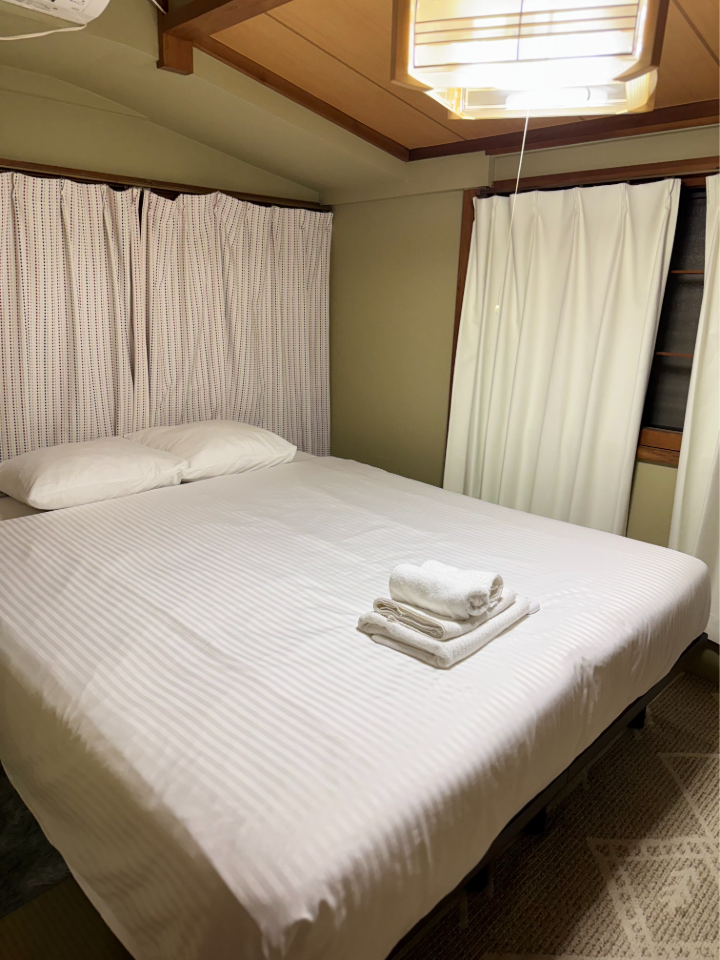
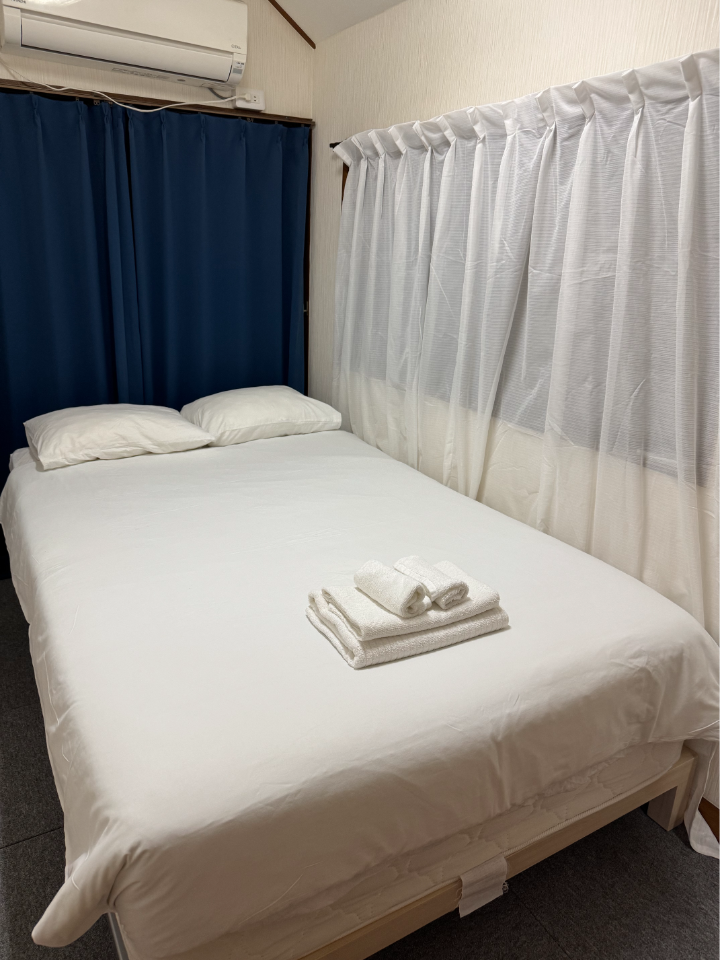
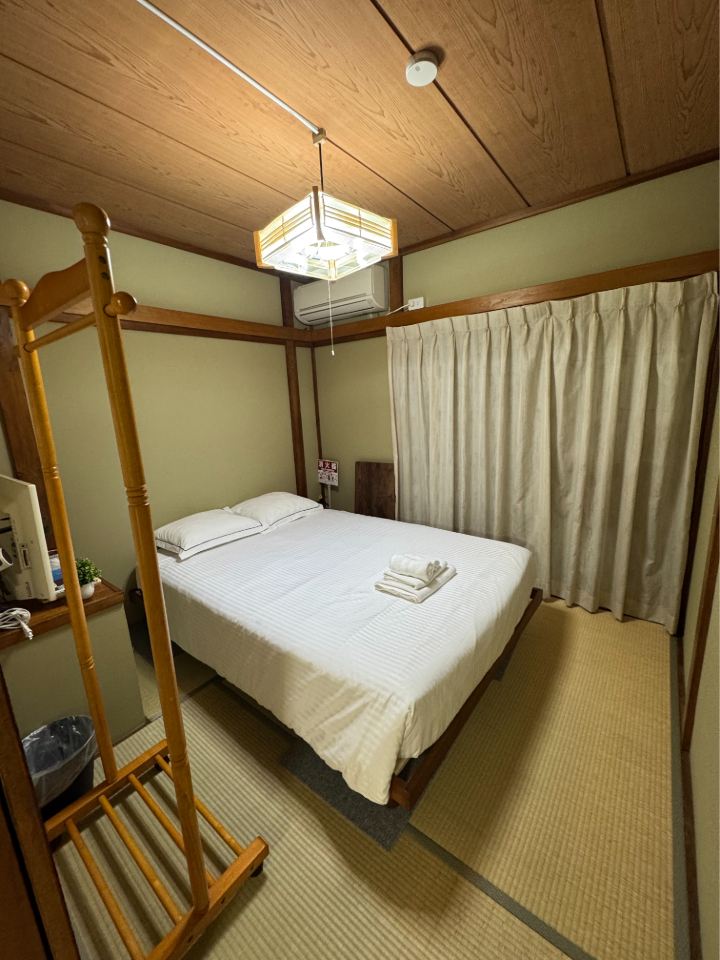
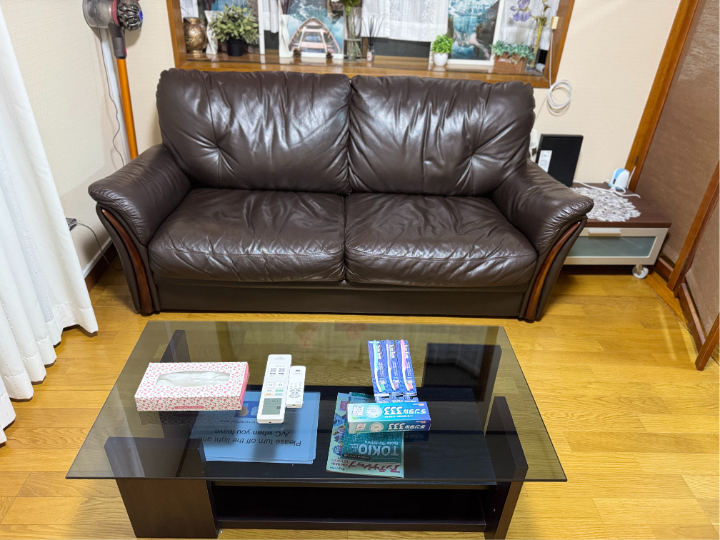
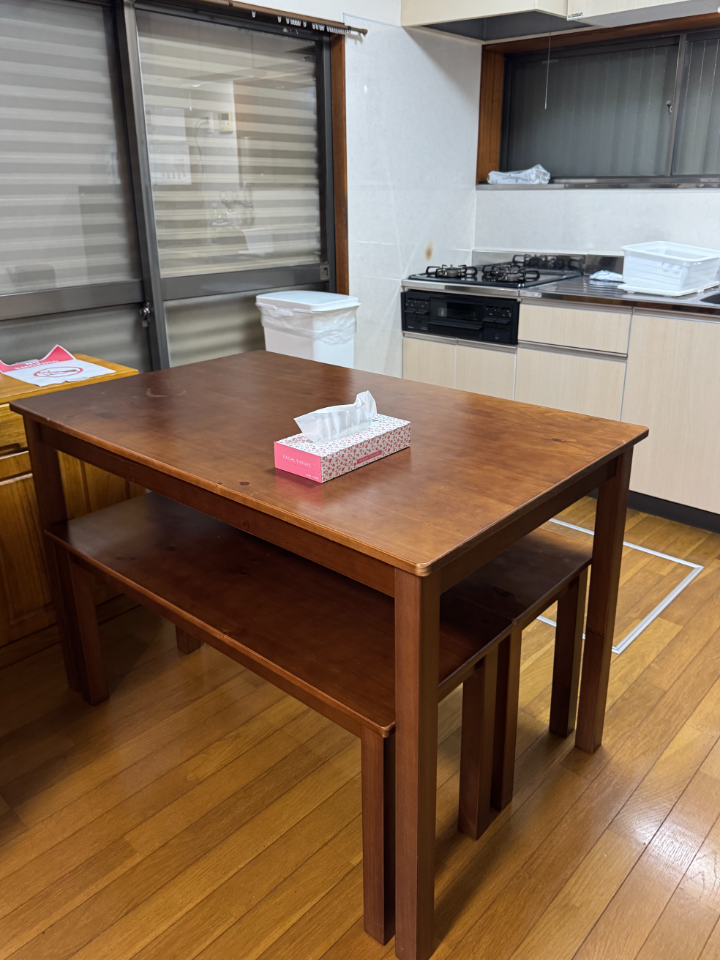
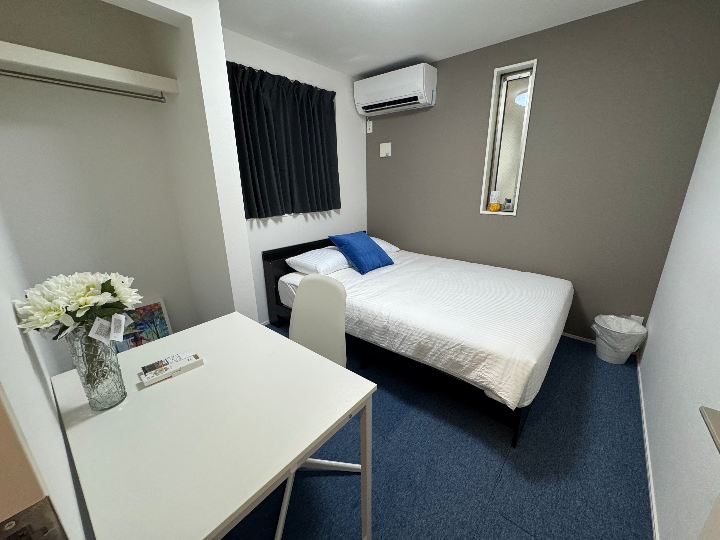
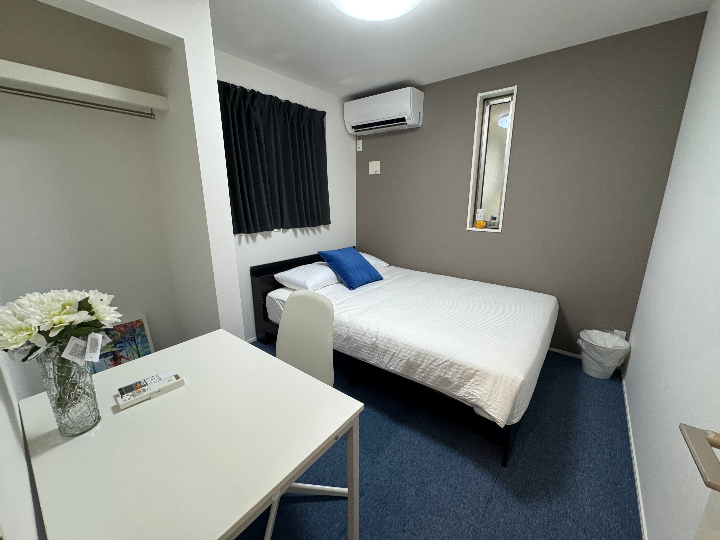
A desk or dedicated work surface: Working at a dining table for a month is fine. Working on a coffee table or bed is not. Check property photos carefully for workspace setup.
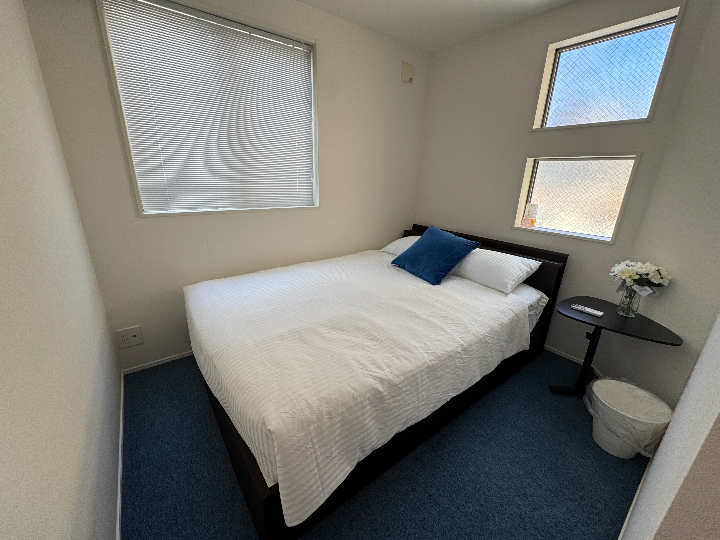
Natural light: Daylight affects focus and mood more than most people acknowledge. Look for properties with windows in the main living/working area.
Air conditioning/heating: Tokyo summers are genuinely hot and humid (35°C+). Tokyo winters are cold. Climate control is essential for year-round comfort. All Nana House properties include A/C and heating.
In-unit laundry: For stays of a month or more, in-unit washing machine is a significant quality-of-life factor. Coin laundries work but add friction to an already-full workday.
Full kitchen: Cooking at home even three days a week saves meaningful money and time compared to eating out every meal. For remote workers, meal prep is a productivity tool as much as a cost-saving one.
Quiet environment: Video calls require a space where you can speak clearly. Residential neighborhoods in West Tokyo are significantly quieter than central areas — an advantage that's easy to underestimate until you're in the middle of a client call.
Proximity to a train station: Tokyo's train network is your mobility layer. Being within 10 minutes walk of a station keeps the city accessible without needing taxis or rental bikes for every journey.
Japan introduced a Digital Nomad Visa in 2024, allowing remote workers from eligible countries to stay for up to 6 months. Requirements include proof of employment or business outside Japan, minimum annual income of approximately ¥10 million (roughly USD $65,000), and health insurance coverage. Check the Japan Ministry of Foreign Affairs website for current eligible countries and application requirements — policies may have been updated since this article was written.
Digital nomads often default to staying in Shinjuku or Shibuya — the neighborhoods that feel most like the "Tokyo" of popular imagination. Both are excellent, but neither is particularly optimized for a month of focused remote work.
West Tokyo — specifically the Ekoda and Nerima area — offers a different experience:
Lower ambient noise: You're not above a bar district or next to a major intersection. The streets are quiet enough to work with windows open in spring and autumn.
Real neighborhood life: A month in a residential area gives you a sense of actual Tokyo that tourists on two-week itineraries rarely access. The morning routines, the local shopkeepers, the community feel — all of it adds texture to the experience.
Better value: Properties in West Tokyo offer more space per yen than equivalent central options. For a month-long stay, that extra room to spread out — second bedroom as an office, proper dining table, storage space — matters.
Still central enough: Shinjuku is 20 minutes by train. Shibuya is 25 minutes. For client dinners, co-working days, or simply a change of scene, the whole city is accessible without long commutes.
7:00am — Wake up. Make coffee and breakfast in the kitchen. No hotel breakfast queue, no waiting for room service.
8:30am — First work session. Desk setup at the dining table or living room. Natural light, quiet street outside.
12:30pm — Lunch break. Walk to the local shotengai for a teishoku set lunch (around ¥900). Back in 45 minutes.
1:30pm — Second work session. Afternoon calls with clients in European or Asian timezones.
5:00pm — Work done. Train to Ikebukuro (10 minutes) for shopping, dinner, or a change of scene.
8:30pm — Return home. Cook dinner or pick up something from the supermarket. Optional: late calls with US clients if needed.
This rhythm — productive, self-directed, genuinely connected to a real city — is what makes a month in Tokyo different from a week in a hotel.
Browse monthly rental properties → tokyotravel.jp/room/
Check your dates → tokyotravel.jp/calendar/
Japan does not restrict access to websites or online services in the way that some other countries do. A VPN is generally not required for access purposes. You may want one for security on public WiFi, or if your company's IT policy requires it, but it is not a practical necessity for most remote workers in Japan.
Yes. Data-only SIM cards are readily available at major airports and electronics stores (Yodobashi Camera, Bic Camera) in Ikebukuro. Short-term data SIMs from providers like IIJmio, mineo, or tourist SIM options from major carriers are available without a Japanese address and provide reliable backup connectivity.
Convenience stores in Japan (7-Eleven, FamilyMart, Lawson) have multi-function printers that accept USB sticks and allow printing via app or web upload. For remote workers who occasionally need to print or scan documents, this is a practical and inexpensive solution — typically ¥10–30 per page.
For stays of a month or more, you can generally receive packages at the property address. Notify your host and they can advise on the best approach. Japan's courier services (Yamato, Sagawa) are extremely reliable and offer redelivery scheduling via app or phone if you're not home during delivery.
Yes. Ikebukuro (10 minutes from Ekoda) is a major Shinkansen and long-distance train hub. Day trips to Nikko, Kawagoe, Chichibu, and Hakone are all easily managed from this base. Overnight trips to Kyoto, Osaka, or Hiroshima are straightforward via Shinkansen from Tokyo Station — accessible in around 30 minutes from Ekoda by train.