
· Updated
Monthly Apartments Near Ekoda Station: A Practical Housing Guide for International Students
Studying near Ekoda? Compare monthly furnished apartments to traditional Japanese leases and dorms, with real costs, local schools, and neighborhood tips.

If you've been accepted to a program at Musashi University, the Nihon University College of Art, or Musashino Academia Musicae, there's a good chance your search for housing has led you to Ekoda Station — and straight into the confusing world of Japanese rental contracts. Between key money, guarantor requirements, and leases written entirely in Japanese, finding a place to live can feel harder than the coursework itself. This guide breaks down what Ekoda actually offers students, what monthly apartments cost compared to the alternatives, and how the process works in practice.
Why Ekoda Is a Genuine Student Neighborhood, Not Just a Convenient One
Ekoda sits on the Seibu Ikebukuro Line, about 10 to 15 minutes from Ikebukuro Station — one of Tokyo's largest transit and shopping hubs, with connections to the Yamanote Line and onward to the rest of the city. That alone would make it a practical base, but Ekoda's identity as a student area comes from what's actually located there.
Musashi University sits directly by the station, giving the entire area a campus-town feel — bookshops, inexpensive noodle counters, and cafés that stay open late for studying. A short walk away is the Nihon University College of Art, widely known in Japan as "Nichigei," one of the country's most respected schools for film, manga, and fine art, which draws a steady population of creative students to the neighborhood. Musashino Academia Musicae, a well-regarded music conservatory, adds another layer of students to the mix, and it's not unusual to hear practice pianos drifting from windows on residential side streets.
The result is a neighborhood genuinely built around student life, rather than a generic residential suburb that happens to be affordable. Convenience stores, cheap eateries, and laundromats are all sized for people living alone or in small groups on a budget, and the pace of the area is quieter than Ikebukuro while still being close enough to reach it in one stop.
Monthly Apartments vs. Traditional Leases vs. Dormitories
Most international students weighing housing options in Tokyo are really choosing between three paths, and each comes with real tradeoffs.
A traditional Japanese apartment lease is usually the cheapest option per month, but the upfront costs are steep: deposit, key money (a non-refundable "thank you" payment to the landlord), an agency fee, and — critically — a Japanese guarantor, which most international students simply don't have. Combined, these upfront costs can equal four to six months of rent before you've even moved in, and contracts typically run one or two years, which makes no sense for a semester-long program.
A university dormitory solves the guarantor problem and is usually the cheapest month-to-month, but space is limited, rooms are often shared, rules can be strict about guests and curfews, and availability doesn't always match when you actually arrive in Japan.
A monthly furnished apartment sits between the two. There's no key money, no guarantor, and no long-term contract — you pay for the month(s) you need and move in with a bed, kitchen, washing machine, and Wi-Fi already in place. The tradeoff is a higher monthly cost than a bare-bones long-term lease, but when you account for what you'd otherwise spend furnishing an empty apartment and paying key money you'll never see again, the actual gap narrows considerably, especially for stays under a year.
What Monthly Rentals in the Ekoda Area Actually Cost
Pricing in and around Ekoda and the wider Nerima area varies by size and layout. As a general reference, fully furnished monthly houses in this part of Tokyo tend to range from roughly ¥100,000 for a compact shared house to ¥350,000 for a larger multi-bedroom home suited to a group, with one and two-bedroom options typically landing between ¥150,000 and ¥180,000 per month. That figure usually includes furniture, kitchen equipment, and either internet or a straightforward setup fee — costs that would otherwise be separate line items on a traditional lease.
For a single exchange student, sharing a larger monthly house with two or three other students studying in the same area can bring the effective cost per person well below what a solo studio apartment near Ikebukuro would run, while still providing private bedrooms and a shared kitchen and living space.
The Paperwork Problem Monthly Rentals Solve
Beyond cost, the bigger obstacle for most international students is documentation. To do almost anything administratively in Japan — open a bank account, get a mobile phone contract, enroll in National Health Insurance — you need a registered address on your Residence Card. Short-term visitors and students without a formal lease often get stuck here, unable to complete a lease because they don't yet have a guarantor or credit history in Japan, and unable to register an address without a lease.
A formal monthly lease agreement resolves this directly: it comes with the documentation needed to register your address, which then unlocks the rest of the administrative process. For a student arriving for a one-semester program, this can be the difference between spending your first two weeks in Japan navigating bureaucracy and simply starting classes.
A Typical Week Living Near Ekoda
Daily life in Ekoda runs on a simple rhythm. Mornings tend to start at one of the small cafés near the station or a convenience store breakfast before the short walk or one-stop ride to class. Supermarkets in the area are sized for daily shopping rather than bulk trips, which suits a student schedule, and evenings are quiet — this is a residential ward, not an entertainment district, so late-night noise is rarely an issue during exam season.
When you want more, Ikebukuro is one stop away and open until late, with everything from department stores to the city's largest concentration of language schools and used bookstores. Central Tokyo — Shinjuku, Shibuya, Tokyo Station — remains under 40 minutes away via a single transfer, so choosing Ekoda over somewhere more central doesn't mean isolation; it means trading a bit of nightlife proximity for a genuinely livable, study-friendly base.
Houses Suited to Student Stays
Tokyo Travel's properties in the Ekoda and wider Nerima area were selected with exactly this kind of stay in mind. Nana House Ekoda, an eight-minute walk from the station, offers three bedrooms across roughly 51 square meters — comfortable for a small group of students sharing costs. Nana House Ekoda's sister listing, the Ekoda Monthly House, is a larger 3LDK suited to a bigger group or a family accompanying a student for an extended stay. For students prioritizing a shorter walk to the station, Nana House Sakaecho sits just a few minutes from Ekoda Station itself.
All of these come fully furnished, with the lease documentation needed to register a residential address — removing both the furnishing burden and the paperwork bottleneck in one step.
Ekoda Compared to Tokyo's Other Student Areas
Students researching Tokyo housing often come across Takadanobaba and Ikebukuro as well, so it's worth placing Ekoda alongside them. Takadanobaba, sometimes called the student town of Tokyo, has a dense concentration of universities and language schools, a livelier late-night food scene, and correspondingly higher rents and more competition for rooms. Ikebukuro, one stop from Ekoda, is a major commercial and transit hub with the widest range of language schools and shopping, but it's also busier, noisier, and priced closer to a central-Tokyo district than a residential one.
Ekoda occupies a different niche: it has real university presence — Musashi University is literally beside the station — without the density or price premium of Takadanobaba or Ikebukuro. For students who want to be near classmates and cheap food but still return to a quiet street at night, that combination is hard to match at a comparable price point.
Settling In: What to Handle in Your First Two Weeks
Once you've moved into a monthly apartment, a short checklist covers most of what new arrivals need. Register your address at the local ward office using your lease documentation — this activates your Residence Card and is required before almost anything else. From there, open a Japanese bank account, which most banks require a registered address to process. Next, sign up for a mobile SIM or phone plan, again typically requiring proof of address. If you're staying more than 90 days, enroll in National Health Insurance through the ward office, which significantly reduces medical costs during your stay. Finally, pick up a prepaid IC card (Suica or Pasmo) for trains — with Ekoda on the Seibu Ikebukuro Line, this is the fastest way to get around once classes start.
Doing these in order — address first, then bank, phone, and insurance — avoids the common trap of being stuck between two offices that each require proof from the other.
Frequently Asked Questions
Can I use a monthly apartment lease to get a Residence Card address registered? Yes. A formal monthly lease agreement provides the documentation municipal offices require to register your address, which is the first step toward a bank account, phone contract, and health insurance enrollment.
Is Ekoda close enough to Ikebukuro's language schools? Yes — Ekoda is roughly 10 to 15 minutes from Ikebukuro Station by direct train on the Seibu Ikebukuro Line, making a daily commute to language schools in that area entirely manageable.
Do monthly apartments require a Japanese guarantor? No. This is one of the main reasons international students and short-term residents choose monthly rentals over traditional leases, which almost always require one.
How far in advance should I book? Given that Ekoda and the surrounding Nerima area serve a real student population, availability tightens around the start of academic semesters in April and September or October. Booking a few months ahead gives you the best selection.
Find Your Base Near Ekoda
Whether you're enrolling for one semester at Musashi University or spending a year at Nichigei, the housing decision doesn't have to be the hardest part of moving to Tokyo. A furnished monthly apartment near Ekoda Station gives you the paperwork, the furniture, and the neighborhood all in one booking — browse Tokyo Travel's available houses in the area to see what fits your program dates and budget.

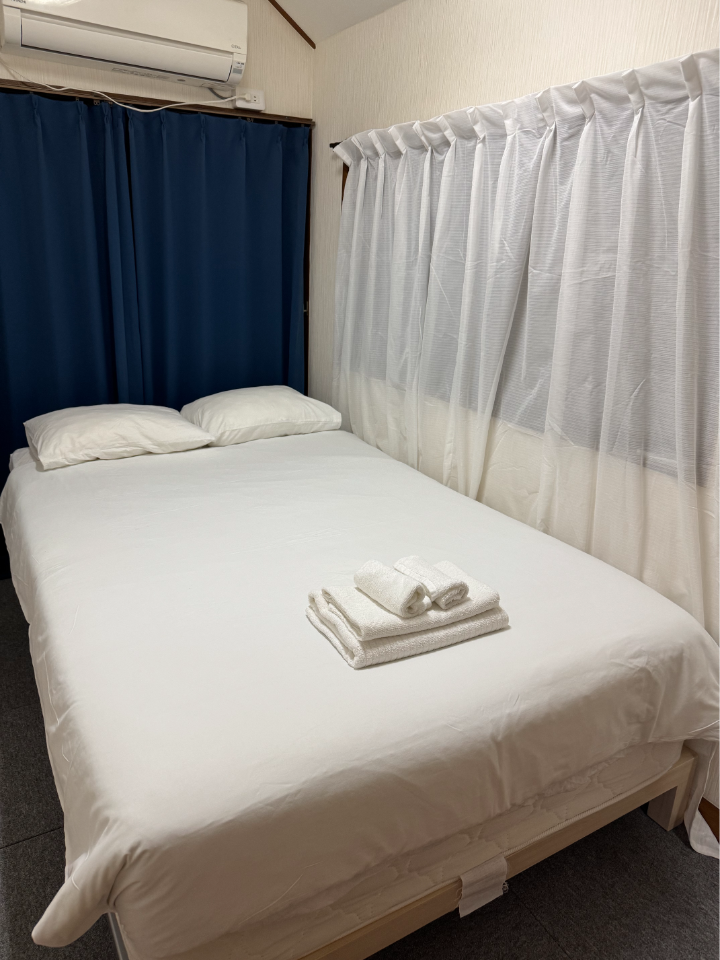
Monthly homes near Ekoda


Planning a trip?
Ask us anything about the area in English.