
New Year in Tokyo 2027: What's Open & Where to Go
What closes in Tokyo from December 31 to January 3, how late trains run, and where to go for hatsumode, plus houses for 6–9 near Ekoda.
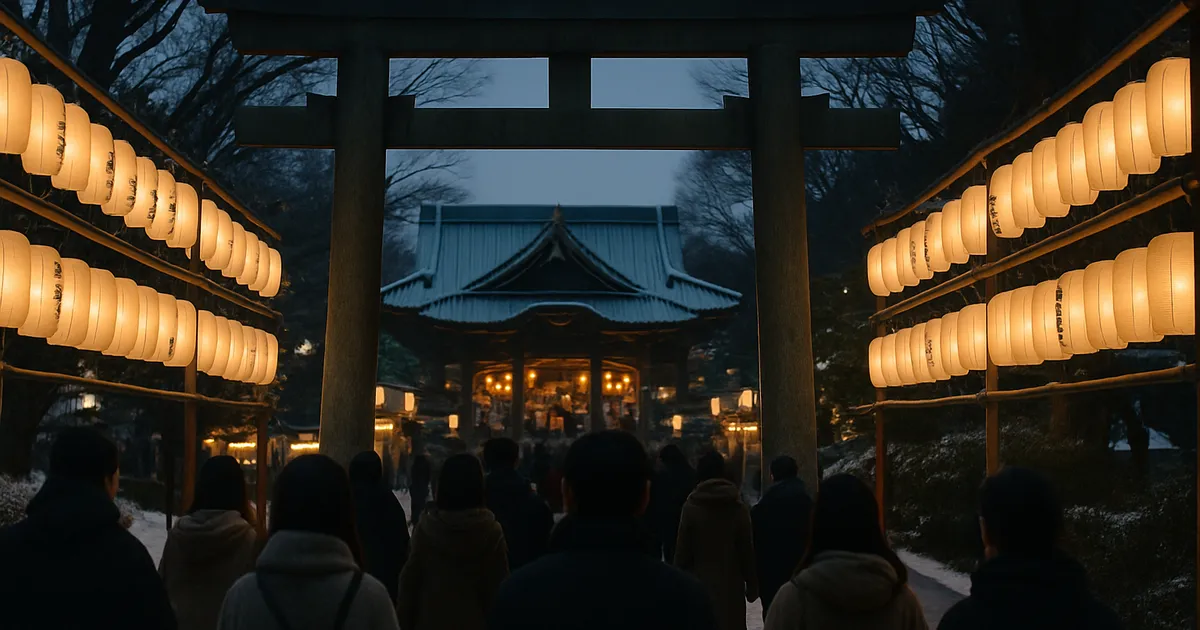
New Year in Tokyo is quiet, not wild. From December 31 to January 3, banks, post offices, government offices and many small restaurants close, trains run on holiday timetables, and the city heads to shrines for hatsumode (the first shrine visit of the year). Convenience stores, most chain restaurants and the big shrines stay open, and department stores usually reopen on January 2 with their New Year sales.
We host guests in houses near Ekoda and Nerima, in northwest Tokyo. Here is what to expect for December 31, 2026, to January 3, 2027, and how to plan around it.
What is closed in Tokyo over New Year?
Shogatsu (Japanese New Year) is the country's biggest family holiday. Last season, these were the standard closures, and the pattern is the same most years:
- Banks: closed December 31 to January 3. Convenience-store ATMs generally keep working, but withdraw cash before December 31 to be safe.
- Post offices: closed December 31 to January 3.
- Government offices: closed December 29 to January 3.
- Hospitals and clinics: most routine clinics close from about December 29 to January 3. Emergency care stays available.
- Small restaurants and family shops: many close for several days. Chains and convenience stores stay open.
- Museums and many attractions: many close for part of the period. Check each one's official site for its year-end schedule.
Department stores mostly close on January 1 and reopen on January 2 with fukubukuro (lucky bags), sealed bags of goods sold at a discount. Popular ones sell out early in the morning.
Do trains run all night on New Year's Eve in Tokyo?
Only some. For New Year 2025–26, JR East ran overnight trains on six lines, including both directions of the Yamanote Line. Seibu Railway, Tokyo Metro and Toei Subway ran no overnight trains and no extended last trains, and used Saturday and holiday timetables from about December 30 to January 3 or 4.
The 2026–27 plans are usually announced in late autumn, so check each operator's site in December. If you stay near Ekoda or Nerima, which are on Seibu and Toei lines, plan to be back before the last train on December 31, or count on a taxi.
Where should I go for hatsumode in Tokyo?
Meiji Jingu (Harajuku)
Tokyo's busiest shrine at New Year. Go Tokyo, the city's official tourism site, says it draws several million people between New Year's Eve and January 3. In recent years the gates have stayed open through the night of December 31. Expect long, slow-moving lines around midnight and on the afternoon of January 1.
Sensoji (Asakusa)
Tokyo's oldest temple and the other big name. The approach is lined with stalls. Go early in the morning on January 2 or 3 if you want to move more freely.
Ekoda Sengen Shrine (near Ekoda Station)
Our local pick. This small shrine just outside Ekoda Station's north exit has an 8-meter (26 ft) fujizuka, a miniature Mount Fuji built in the 1830s with lava rock from the real mountain. You can only climb it on three occasions a year, and the first three days of January are one of them.
Your neighborhood shrine
Every neighborhood has one. Near Nana House Nerima, Musashino Inari Shrine is about an 18-minute walk away. Small local shrines give you the custom of New Year without the Meiji Jingu crowds.
What else happens over New Year in Tokyo?
- Joya no kane (New Year's Eve bells): many Buddhist temples ring their bell 108 times around midnight. Some let visitors take a turn; arrangements differ by temple.
- The Emperor's New Year greeting: traditionally held at the Imperial Palace on January 2, with several balcony appearances and free entry. The Imperial Household Agency confirms each year's schedule in December.
- Harry Potter Studio Tokyo: in early October 2026, the official site was selling tickets only for dates up to December 31, 2026. Check the official site for New Year dates before you plan around it.
Why stay in a house over New Year?
When small restaurants close, a kitchen matters. Supermarkets stock up before the holiday, and you can cook a relaxed New Year's Day breakfast at home. Expect cold weather: daytime highs around 10°C (50°F) and nights near freezing. Our nightly houses have air conditioners on both floors that also heat.
Book early. Year-end is a peak period, both for Japanese families and for Australian and New Zealand visitors on summer break. Our nightly houses offer free cancellation until 14 days before check-in.
For more seasonal planning, see Tokyo in December with kids and our guide to autumn leaves in Tokyo. If you are already thinking about spring, read where to stay in Tokyo for cherry blossom season, or our Ekoda and Nerima stay guide.


FAQ
Is Tokyo worth visiting over New Year?
Yes, if you want a calm, traditional side of the city. It is not a party destination, and many small businesses close for a few days.
Are convenience stores open on January 1?
Yes. Most convenience stores in Tokyo stay open around the clock through the holiday.
When is the best time for hatsumode?
Midnight on December 31 is the most atmospheric and the most crowded. Early mornings on January 2 or 3 are calmer.
Can I climb the Ekoda fujizuka on New Year's Eve?
No. It opens on the first three days of January, during daytime hours.
Spending New Year in Tokyo with family? Check year-end dates for Nana House Sakaecho, a 3-minute walk from Ekoda Station.
Closure and train details are based on the 2025–26 season; check official sites for 2026–27.
Stay near Ekoda

Planning a trip?
Ask us anything about the area in English.