
· Updated
Living in Ekoda: A Local Guide for Long-Stay Guests
Ekoda, Tokyo for long stays: colleges, shopping streets, bakeries, a 1927 bathhouse and train times. Monthly homes from ¥90,000, utilities in.
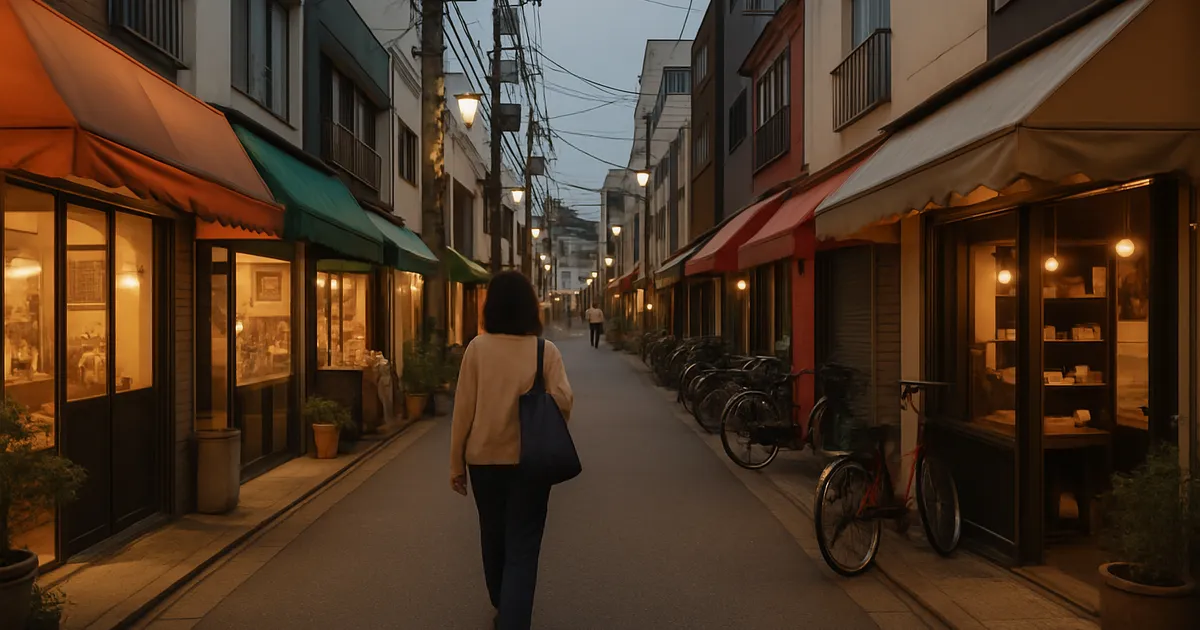
Ekoda is a small student town in Nerima Ward, three stops and under 10 minutes from Ikebukuro on the Seibu Ikebukuro Line. Three colleges surround the station, so the streets are full of cheap restaurants, bakeries, used bookstores and covered shopping streets rather than tourist shops. For a stay of a week to a few months, it gives you everyday Tokyo at local prices with the city center close by.
Most of our homes are within a 10-minute walk of Ekoda Station, so this is the guide we wish every guest had on day one: what is here, what each street is for, and how far you are from everything else. For the bigger picture on areas, train lines and which house suits which trip, see our Ekoda and Nerima stay guide.
What is Ekoda like?
Ekoda Station opened in 1922 and has two sides. The north exit opens onto the art college and a web of shopping streets. The south exit leads to more shops, a 100-yen store and quieter residential lanes. Only local trains stop here, which keeps the station small and the crowds manageable.
The neighborhood follows the academic calendar. During term, mornings are busy with students heading to class. In the long breaks, especially August and February to March, things slow down noticeably. Rents and restaurant prices are set for students, which works in your favor: a set meal (teishoku) at a local diner usually costs much less than the same thing in Shinjuku.
One note on spelling: the station is written "Ekoda", but the nearby Nakano Ward district and the Oedo Line station are spelled "Egota" (Shin-Egota). They are next to each other and the names come from the same word. Do not let it confuse your map app.
Which colleges make Ekoda a student town?
Nihon University College of Art
The art college's Ekoda campus is right by the north exit. It teaches film, photography, fine art, music, literature, theater, broadcasting and design, which explains the film posters, gallery flyers and live-music listings around the station. Its biggest public event is the student art festival in early November, usually around the November 3 holiday. Check the college's official site for this year's dates; it is a real student-run festival rather than a tourist event, and a fun way to spend an afternoon.
Musashino Academia Musicae
Founded in 1929, it is Japan's oldest private music college. Its Ekoda campus sits a short walk north of the station, and you will hear practice through open windows on warm days. Anime fans may know it as the setting of "Nodame Cantabile", the classical-music manga and drama.
Musashi University
Musashi University, a liberal-arts university, is also near the station on the south side. Together, the three schools keep Ekoda young and busy without turning it into a party district. It is still a quiet residential area after about 10 p.m.

Which shopping streets should you know?
Ekoda has several shotengai (shopping streets), each run by its own merchants' association. You will use them every day without needing to learn their names, but here is the map in words:
- Ekoda Ichiba-dori: on the north side. It has a retro, Showa-era feel and small independent food shops. The association advertises sale days on the 1st, 15th and 25th of each month.
- Ekoda Yuyu Road: runs from the north exit toward Shin-Sakuradai Station. Cars are kept out in the late afternoon so shoppers can walk safely, which is handy if you have kids or a stroller.
- Ekoda Station North Exit shopping street: runs from Sengen Shrine toward Hazawa, along the streets that lead to the music college.
- Ekoda Ginza: on the southeast side of the station, toward Senkawa-dori. It has more small restaurants and bars.
Expect family-run shops beside chain drugstores and convenience stores. Many small shops close one weekday a week and some close for a few days at New Year, so if a place matters to you, check before you walk over.
Where should you eat and drink coffee?
Bakeries and cafes
Ekoda has an unusual number of bakeries for a small station. Two are worth knowing by name:
- Parlour Ekoda: the area's best-known bakery-cafe, a few minutes from the station in Sakaecho. It serves sandwiches and toast plates made with its own bread. It opens at 8:30 a.m. and is generally closed on Tuesdays. Weekend mornings get a line, so a weekday is easier.
- Home Bakery Mother Goose: a family bakery in Sakaecho now run by its third generation, with a long history in the neighborhood.
Beyond those two, the shopping streets have independent coffee shops, old-style kissaten (traditional coffee houses) and the usual chains. Some of the older kissaten still allow smoking, so look before you settle in with kids.
The first Matsuya
Matsuya is one of Japan's big beef-bowl (gyudon) chains, and its first gyudon shop opened in Ekoda in 1968, on the corner where the Ekoda Ichiba and north-exit shopping streets meet. It still operates as a normal branch, with a small display about its history. A beef bowl here costs the same as anywhere else, so it makes an easy, cheap lunch with a story.
Cheap set meals and ramen
Because of the students, Ekoda has plenty of ramen shops, curry counters and teishoku diners with filling portions. Many use ticket machines at the door; press the button with the photo you want, hand the ticket to staff, and sit down. A translation app's camera mode handles most menus.
What are the local landmarks?
Sengen-yu bathhouse
Sengen-yu is a neighborhood sento (public bathhouse) about a 2-minute walk from Ekoda Station. It opened in 1927 and is known for the statue of a tanuki (Japanese raccoon dog) at the entrance, a gift from a professor who lived locally. Inside there is a mosaic mural by a Nihon University art professor. The Tokyo Sento Association lists it as open from 4 p.m. and closed on Fridays; check its page before you go, as hours change. Wash fully at the taps before you get in the bath, leave your towel out of the water, and you will be fine without any Japanese.
Ekoda Sengen Shrine and its mini Mount Fuji
Next to the station, Ekoda Sengen Shrine is dedicated to Mount Fuji. Its fujizuka (a man-made model of Mount Fuji, built so people could make a symbolic climb) stands about 8 meters tall and is a nationally designated Important Tangible Folk Cultural Property. It is open to climb only on set days: around New Year, on July 1 for the mountain-opening ceremony, and during the shrine festival in September. The grounds are open the rest of the year, and in winter you will see students' ema (wooden prayer plaques) asking for help with entrance exams.
Where can you get some green space?
- Egota no Mori Park: Nakano Ward's largest park, a 6-minute walk from Shin-Egota Station or a short bus ride from Ekoda. It has a playground, a sandbox, a biotope pond and walking paths, and is open from 6 a.m. to 11 p.m.
- Johoku Chuo Park: a large park north of Ekoda along the Shakujii River, with sports fields, a playground, cherry trees in spring and rows of ginkgo in autumn.
- Nerima Kodomo no Mori (Children's Forest): a free adventure playground in Hazawa, about a 10-minute walk from Hikawadai Station, where kids can use real tools and play in the mud. Ward hours are 9 a.m. to 5 p.m. from March to September and 9 a.m. to 4:30 p.m. from October to February, closed December 29 to January 3.
For families, we cover what each park is like with small children in our guide to choosing a family apartment in Tokyo.
How far is Ekoda from Tokyo's main sights?
These are rough train times from Ekoda Station, including a change where needed. They vary by time of day, so check a route planner for your exact trip.
- Ikebukuro: under 10 minutes. Sunshine City, the Pokemon Center Mega Tokyo, the anime shops on Otome Road and department stores.
- Toshimaen: about 10 to 15 minutes via Nerima. The Harry Potter studio tour and the Toshimaen Niwa no Yu hot-spring spa, about 2 minutes from the station.
- Shinjuku: about 20 to 25 minutes, via Ikebukuro or via the Oedo Line from Shin-Egota.
- Harajuku and Meiji Jingu, Shibuya: about 25 to 35 minutes.
- Tokyo Station, Ueno, Akihabara: about 30 to 45 minutes.
- Asakusa and Tokyo Skytree: about 45 to 60 minutes.
- Tokyo Disney Resort: plan on well over an hour.
If you are here for the studio tour, our guide on where to stay near Harry Potter Studio Tokyo compares the closest houses and stations.
Kimono rental without going to Asakusa
You do not need to cross the city to wear a kimono for a day. VASARA, a large kimono rental chain, has a branch near the west exit of Ikebukuro Station, one short ride from Ekoda. Book online, allow about an hour for dressing, and plan to return it in the late afternoon. Check the shop's site for current prices and return times.

What do long-stay guests need to know about daily life?
- Groceries: there are several My Basket (Maibasuketto) mini-supermarkets within a few minutes of the station, a Marumanstore at the south exit, a Big-A discount supermarket, and a larger Life supermarket near Shin-Sakuradai Station.
- 100-yen shops: Seria and Watts both have branches near Ekoda Station for hangers, kitchen extras and storage boxes.
- Garbage: Tokyo sorts trash strictly. Our homes have labeled bins for burnable, non-burnable, and cans, bottles and PET bottles.
- Payment: chain stores take cards and IC cards such as Suica. Some small diners and shopping-street stalls are still cash only, so keep some yen on you.
- Quiet hours: it is a residential area. Keep noise down after about 9 p.m., especially on balconies.
Staying a month or more? Our Ikebukuro monthly apartment guide compares rents along the Seibu line. Bringing a group? Read our Tokyo house rental guide for a large group. Planning around spring? Here is where to stay in Tokyo for cherry blossom season.

Which of our homes are closest to Ekoda Station?
- Nana House Sakaecho: a 3-minute walk. A 3-bedroom house for up to 9 guests, from ¥25,000 a night (about US$167) plus extra guests and cleaning.
- Sengawa House: a 3-minute walk. A 1LDK monthly apartment for 1 to 2 people, ¥160,000 a month (about US$1,067) with utilities included.
- Nana House Ekoda: an 8-minute walk. A 3-bedroom house for up to 8 guests, from ¥14,000 a night (about US$93) plus extra guests and cleaning.
- Cozy Studio near Ekoda: an 8-minute walk. A solo studio at ¥90,000 a month (about US$600), utilities and Wi-Fi included.
Our monthly homes have no key money, no guarantor and no agent fee, and rent covers electricity, gas, water and internet.
FAQ
Is Ekoda a good base for sightseeing in Tokyo?
Yes, if most of your plans are on the west side. Ikebukuro is under 10 minutes away and Shinjuku about 20 to 25. East-side sights such as Asakusa take closer to an hour.
Is Ekoda the same as Shin-Egota?
No. Ekoda is a Seibu Ikebukuro Line station in Nerima Ward. Shin-Egota is a separate Oedo Line subway station a walk to the south, in Nakano Ward.
Do I need to speak Japanese to use the bathhouse?
No. Pay at the counter, wash before you get into the bath, and keep your towel out of the water. Tattoo rules vary by bathhouse, so ask if that applies to you.
When can I climb the Ekoda fujizuka?
Only on set days around New Year, on July 1, and during the September shrine festival. The shrine grounds are open year-round.
Is Ekoda noisy because of the students?
Not really. The area around the station is lively in the evening, but the residential streets where our homes are go quiet by about 10 p.m.
Want to live like a local for a month? Check dates for the 1LDK monthly apartment 3 minutes from Ekoda Station, or book the 3-bedroom Ekoda house for a family or group. You can also browse all our homes.
Dollar figures use ¥150 = US$1.
Monthly homes near Ekoda
Planning a trip?
Ask us anything about the area in English.